How to Stop Biting Nails: Causes, Side Effects, Prevention Tips & a 30-Day Recovery Plan
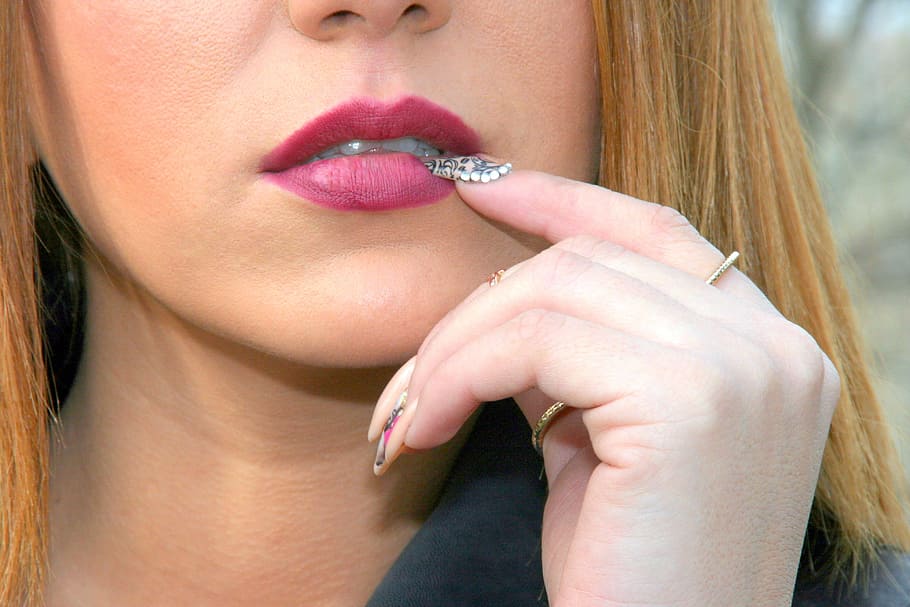
Mastering how to stop biting nails isn’t about suddenly finding magical willpower. It is simply about learning how to rewire an automatic habit loop. Most people who chew their nails down to the raw, painful quick don’t even realize they’re doing it. You might find yourself biting while staring at a difficult homework assignment, watching a movie, scrolling through your phone, or sitting in the back of a boring classroom. By the time you notice, your finger is already stinging.
Nail biting usually starts as a harmless way to pass the time or ease a little stress. But over time, it can become an automatic loop that damages your teeth, causes painful skin infections, and makes you want to hide your hands during conversations.
The good news? You do not need perfect self-control or expensive treatments to quit. By mapping out exactly what triggers your urges, replacing the biting with healthier habits, and following a realistic 30-day plan, you can completely heal your hands and rebuild your confidence.
What Is Nail Biting? (The BFRB Connection)
Nail biting, known in the medical world as onychophagia, isn’t just a simple bad habit. Clinically, it is classified as a Body-Focused Repetitive Behavior (BFRB). This places it in the exact same psychological family as skin picking (dermatillomania) and hair pulling (trichotillomania).
Psychologists view BFRBs as sensory regulation tools. Your brain constantly tries to keep your nervous system in a comfortable baseline state. When you are under-stimulated (bored out of your mind in a long car ride) or over-stimulated (anxious about a massive school exam or work deadline), your brain looks for immediate sensory feedback to balance things out. The intense physical act of biting your nails gives your brain that quick sensory spike, which temporarily reduces internal tension.
Because you have repeated this loop hundreds or thousands of times, the path in your brain has become like a deeply grooved highway. You cannot simply block this highway using willpower alone—especially when your cognitive energy is drained at the end of a long day. To stop biting your nails for good, you have to construct a psychological detour. You must swap the destructive biting routine for a harmless physical action that gives your brain a similar sense of relief.
Why You Should Stop: The Hidden Side Effects
It is easy to tell yourself that short nails are just a cosmetic issue that affects how your hands look. However, chronic biting can cause real, long-term biological problems that run surprisingly deep across multiple systems of your body.
1. Permanent Nail Matrix Destruction
Deep down beneath your cuticle sits the matrix. As shown in the anatomy diagram below, this hidden root system is the cellular factory entirely responsible for producing your new nail plate.
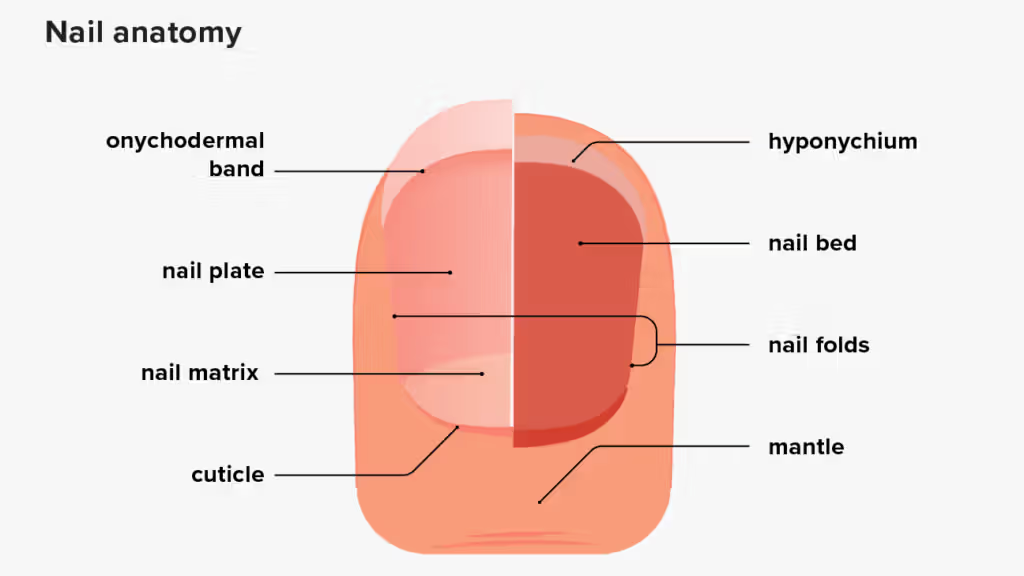
Constantly biting, chewing, and pulling at your nails applies severe mechanical stress to this delicate root. Over years of chronic trauma, this can permanently damage the matrix, causing your nails to grow back with deep vertical ridges, split nail beds, or a stunted, permanently warped shape.
2. Acute Skin Infections (Paronychia)
Your mouth is a warm environment that carries a lot of natural bacteria, while your hands constantly collect environmental pathogens from doorknobs, desks, and phones. When you bite your nails or chew on the surrounding cuticles, you create microscopic, open tears in your skin barrier.
Bacteria like Staphylococcus easily slip into these open wounds, leading to a painful condition called paronychia. This localized infection causes the skin around your nail to throb with intense pain, turn bright red, swell up, and sometimes fill with fluid or pus that requires professional medical treatment or prescription antibiotics.
3. Dental Enamel Erosion and Micro-Shifting
Your fingernails are made of dense, incredibly tough layers of a protein called keratin. Forcing your front teeth to constantly grind through this dense material acts like continuous sandpaper on your dental structure. Over time, this nervous habit can cause microscopic chipping along the incisal edges of your teeth, wear down your protective enamel shield, increase overall tooth sensitivity, and even cause minor, unwanted shifting in your teeth alignment.
4. Increased Risk of Common Illnesses
Think about every surface your hands touch in a single afternoon. When you constantly put your fingers in your mouth to chew on a nail or pick at a cuticle, you are providing cold viruses, flu bugs, and stomach germs a direct, free ride straight into your respiratory and digestive tracts, causing you to get sick far more often than necessary.
12 Highly Effective Prevention Tips
To give yourself the highest chance of success, use this structured toolkit matrix to match your specific biting style with the exact tool designed to stop it.
The Ultimate Anti-Biting Toolkit
| Tool Type | What It Does | Who It Is Best For |
| Etched Glass File | Seals the microscopic keratin layers smoothly so there are no rough snags to tempt you. | The Perfectionist Biter (Triggered by uneven surfaces or rough edges) |
| Denatonium Benzoate Polish | The bitterest compound safe for humans; creates an instant, shocking taste alarm. | The Automatic Biter (Bites unconsciously while reading or watching TV) |
| Hydrocolloid Bandages | Traps moisture to heal raw skin within 24–48 hours while creating a literal physical shield. | The Aggressive Biter (Dealing with open wounds, pain, or bleeding) |
| High-Resistance Putty | Gives the hands a heavy, taxing physical task to safely drain nervous kinetic energy. | The Anxious/Stress Biter (Needs an intense hand distraction during exams or work) |
1. The Glass File Protocol
Perfectionist biters are triggered by a single rough edge. The moment they feel a snag, they use their teeth to try and “fix” it, which always ends up tearing the skin or nail plate down too far. Instead, carry an etched glass nail file in your pocket, desk, or backpack. The exact second you feel a rough edge, file it perfectly smooth with the tool instead of using your mouth.
2. Apply Bitter-Tasting Polish
Go to your local pharmacy and look for a clear, anti-biting nail treatment. Look for formulas that contain Denatonium Benzoate, which is a completely safe but incredibly bitter compound. Paint it not just on your nail plate, but completely over the skin and cuticles around your fingers twice a week. The terrible taste acts as an instant alarm system that breaks your focus when your hand unconsciously drifts up to your face.
3. Protect One Finger at a Time
Quitting cold turkey across all ten fingers can feel completely overwhelming and often leads to a sudden relapse. Try the “One-Finger Method.” Choose just one specific finger, like your left pinky, and declare it completely off-limits for a week. Let it grow while allowing yourself to bite the others if you get an intense urge. Once that pinky heals and looks great, protect your next finger. Small wins build momentum.
4. Deploy High-Texture Fidget Gear
If you bite because your hands need something to do while sitting at a computer or watching a screen, give them a healthier job. Keep a high-resistance stress ball, a textured fidget coin, or a metal spinner ring nearby. Giving your fingers a physical object to manipulate distracts your brain and satisfies the unconscious urge for movement.
5. Transition to Regular Natural Manicures
When your nails look short, jagged, and messy, it feels like there is zero consequence to biting them. Try spending time giving yourself a neat trim and shape at home, or consider getting a basic, clean manicure at a local salon. When you invest time, effort, or a little money into making your hands look nice, you are far less likely to chew through that investment.
6. The Oral Substitute Pivot
If your cue is an oral fixation—meaning your mouth simply craves the physical action of chewing—make sure you have a safe alternative nearby during your high-risk hours. Keep a pack of high-flavor, sugar-free cinnamon or mint gum with you. The intense burst of flavor shocks the palate and keeps your jaws occupied during stressful moments.
7. Flood Your Cuticles with Oil
Dry, peeling skin creates tempting little tags of tissue that act as major biting triggers. Keep a small bottle of cuticle oil (look for formulas based in jojoba oil) or a rich hand cream at your desk. Applying it daily keeps the skin completely smooth and soft, removing the physical temptations that cause a relapse.
8. Use Hydrocolloid Physical Barriers
If you have one or two fingers that are badly bitten, raw, or bleeding, wrap them up immediately in a thin, waterproof hydrocolloid bandage. These are special dressings that form a protective gel layer to accelerate cellular skin healing incredibly fast while acting as a literal plastic shield your teeth cannot chew through.
9. Map Out Your Environmental Danger Zones
Pay close attention to the exact locations where you bite the most. Do you do it at your office desk? On the couch? While driving? Once you identify these physical danger zones, place your anti-biting tools (like your fidget toys, gum, or bitter polish) directly in those exact spaces so they are waiting for you before the urge even strikes.
10. Implement a 10-Second Cognitive Pause
The moment you catch your hand moving up toward your mouth, do not scold yourself or get frustrated. Simply freeze your hand in mid-air. Lower it down, take three slow, deep diaphragmatic breaths, and clasp your hands together tightly for 10 seconds. This brief pause breaks the automated cycle and puts your conscious mind back in control.
11. Protect Your Hands at Night
Many people unconsciously pick or bite at their cuticles in bed while falling asleep or immediately upon waking up. If this is a high-risk window for you, wear a pair of breathable, lightweight cotton gloves to bed to keep your hands completely safe during these semi-conscious hours.
12. Tie Progress to Tangible Rewards
Set up a clear, positive milestone system. If you make it three full days without biting a single nail, reward yourself with something distinct—a favorite meal, a movie night, or a new self-care product. Positive reinforcement rewires the brain’s reward centers much faster than self-shame or criticism.
The 30-Day Recovery Timeline
Breaking a deeply ingrained habit takes time. Do not focus on trying to quit forever; simply focus on winning one week at a time.
| Week 1 – Awareness | Week 2 – Replacement | Week 3 – Healing | Week 4 – Pride & Maintenance | |
|---|---|---|---|---|
| Main Goal | Understand your nail-biting triggers | Replace the habit with healthier actions | Repair damaged nails and skin | Maintain healthy nail habits |
| Action 1 | Track when and why you bite your nails | Use a fidget toy or stress ball | Apply hand cream daily | Shape and file your nails neatly |
| Action 2 | Apply bitter-tasting nail polish every few days | Chew sugar-free gum during trigger moments | Use cuticle oil morning and night | Take progress photos to stay motivated |
| Action 3 | Carry a glass nail file to smooth rough edges | Cover damaged fingertips with bandages if needed | Keep nail edges smooth to prevent picking | Reward yourself for reaching four weeks without nail biting |
| Expected Result | Better awareness of triggers and habits | Reduced urge to bite nails | Healthier cuticles and stronger nails | Greater confidence and long-term success |
Week 1: Building Conscious Awareness
Your sole goal this week is to move the habit from your unconscious mind to your conscious mind. Every time you catch your teeth touching a nail, pause and note your situation. Are you stressed? Bored? Focused on a screen? You cannot fight a habit until you map its patterns. Keep your bitter polish fresh and your glass file close at hand.
Week 2: Implementing the Detour
Now that you know your exact danger zones, deploy your replacements. If you sit down to study, make sure your fidget toy is already in your hand before you open your textbook. If you sit on the couch to watch a movie, pop a piece of gum in your mouth first. Focus entirely on substituting the routine.
Week 3: Cellular Repair and Hydration
By day 15, your skin should be closed, healed, and free of open wounds. Your focus now shifts to keeping your skin supple. Rub cuticle oil or hand lotion into your fingertips twice a day. Keeping the skin smooth prevents the rough skin tags that trigger a perfectionist relapse.
Week 4: Rewriting Your Identity
For the first time in a long time, your nail plates will show a clean, visible white edge. Shape them gently and evenly with your glass file. Transition your core mindset from “I am a nail-biter trying to quit” to “I am someone who takes excellent care of my hands.”
3 Critical Mistakes That Spark a Relapse
- Relying Solely on Willpower: Willpower is a finite cognitive resource that drains when you are tired, hungry, or stressed out. Always support your willpower with physical helpers like bitter polish, files, or physical dressings.
- The “Just One Quick Fix” Trap: Telling yourself that you will use your teeth to bite off just one tiny hangnail is a trap. It always leaves behind a jagged edge that ruins your progress and triggers a full cascade of biting across all ten fingers. Use your file or clean clippers instead.
- The Shame Spiral: If you have a highly stressful day and accidentally bite a nail down to the quick, do not throw away all your progress. A slip is a minor detour, not a failure. Wash your hands, apply your lotion or bitter polish, and restart the process immediately without self-criticism.
When to Consult a Clinical Specialist
If your nail biting is accompanied by severe, compulsive skin picking (dermatillomania), causes frequent bleeding infections, or is a direct manifestation of severe, unmanaged generalized anxiety or Obsessive-Compulsive Disorder (OCD), a self-care guide may not be enough. Consider consulting a dermatologist to treat deep tissue damage, or a cognitive behavioral therapist (CBT) who specializes in Habit Reversal Training (HRT) to help heal the underlying psychological drivers safely.
Frequently Asked Questions (FAQs)
What causes a nail-biting relapse after months of success?
Relapses almost always happen when a massive spike in stress occurs at the exact same time your physical barriers (like bitter polish or a pocket file) are missing. Your brain remembers the old “highway” of nail biting as a quick way to relieve stress. If you experience a relapse, do not panic—it is a completely normal part of breaking a long-term habit. Just clean the nail, reapply your cuticle oil, and reset your tracking tools immediately.
Why do my nails look flat or wide after I stop biting them?
When you bite your nails constantly, the skin of your nail bed shrinks back because it isn’t being protected by a hard plate. Once you stop biting, the new nail plate grows out over an unanchored bed, which can give it a wider, flatter, or fan-like appearance at first. Over the next six months to a year, the nail bed will slowly reattach itself to the underside of the growing nail, causing it to narrow out and look completely normal.
Does nail biting cause permanent damage to your teeth alignment?
Yes, it can. While fingernails feel flexible, they are incredibly dense. The constant, repetitive pressure of grinding your teeth through keratin forces your lower jaw into unnatural positions and places horizontal stress on your front teeth. Over several years, this micro-pressure can cause your front teeth to chip, rotate, or shift out of alignment, sometimes requiring orthodontic work to fix.
Are there any specific vitamins that speed up nail recovery after quitting?
While vitamins won’t stop the urge to bite, they can help your damaged nails recover much faster. Look for foods or supplements containing Biotin (Vitamin B7), which strengthens the keratin infrastructure of the nail plate. Additionally, ensuring you get enough zinc and iron prevents white spots and brittleness as your new nails grow in.
Why does the skin around my nails itch and throb after a heavy biting episode?
This throbbing and itching is an inflammatory response to physical trauma. When you chew through the skin barrier, your body rushes blood and white blood cells to the area to protect against incoming bacteria. If the throbbing becomes hot to the touch or starts swelling, it is a sign that a localized bacterial infection (paronychia) has begun, and you should treat it with antibacterial ointment or see a doctor.
Final Thoughts
At the end of the day, breaking a childhood habit like nail biting is not about reaching instant perfection. It is a slow, physical negotiation with your brain’s automatic wiring. You are teaching your body a completely new way to handle stress, boredom, and anxiety.
By stepping away from the old cycle of shame and self-criticism, and instead using a structured toolkit—like carrying a glass file, applying bitter barriers, and keeping your skin deeply hydrated—you turn a frustrating struggle into a predictable, step-by-step process.
Be patient with your hands. Give your nail matrix the time it needs to heal beneath the surface, protect your fingers one day at a time, and enjoy the quiet confidence that comes with having strong, healthy, and completely healed hands.
About The Author