How to Get Curly Hair Highlights Safely: The Expert Guide
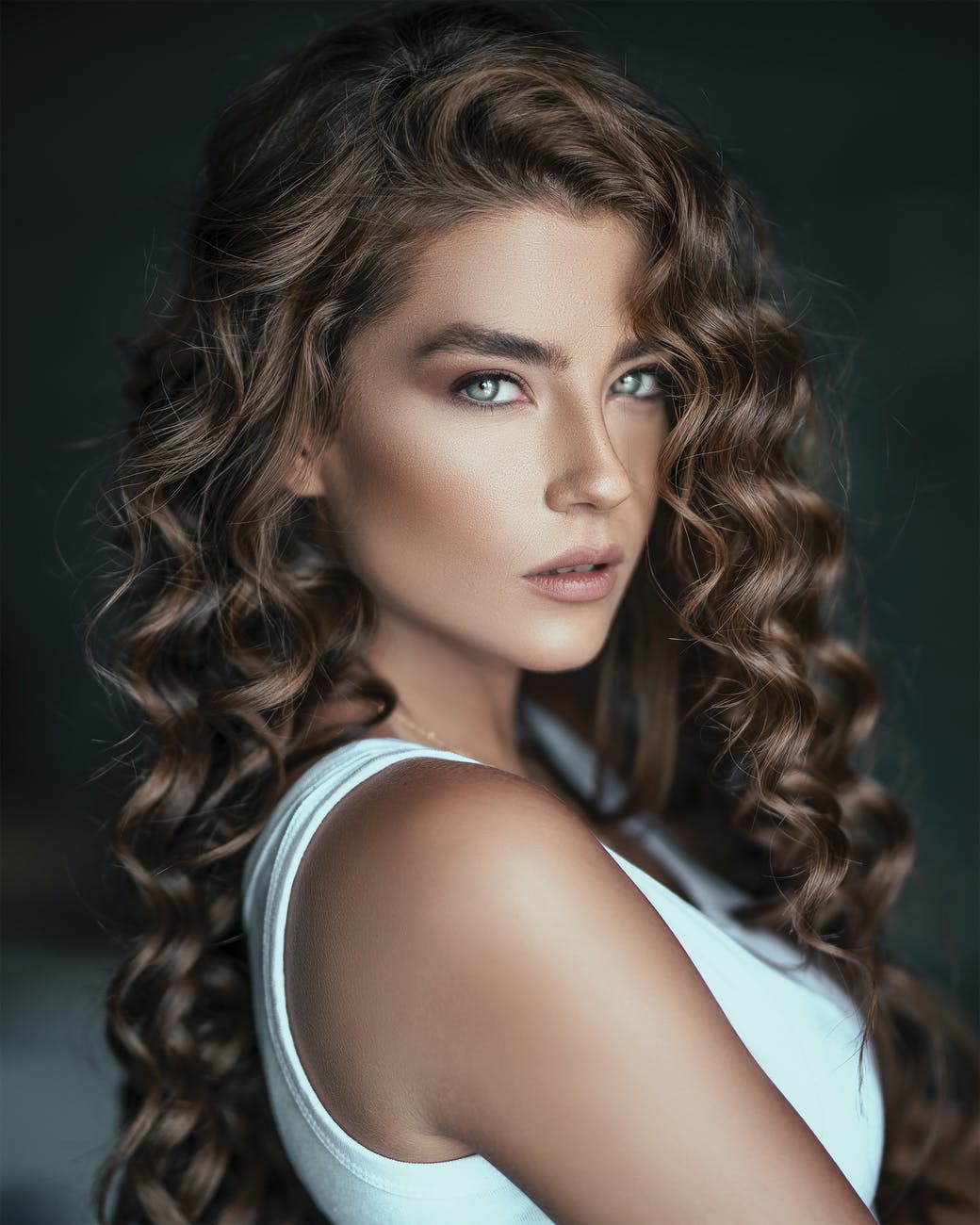
If you are looking for a creative lifestyle reset, upgrading your look with curly hair highlights is the ultimate way to celebrate your natural texture. Let’s be honest: most hair color advice on the internet is written for straight hair. If you have waves, curls, or dense coils, you already know your hair doesn’t follow standard rules. When you see a gorgeous photo of curly highlights, it’s easy to get excited—but it’s just as easy to worry. We’ve all heard the horror stories of someone going to a salon and walking out with dry, fried, limp strings instead of bouncy ringlets.
Because curly hair is naturally drier than straight hair, bleach hits it harder. The twists in our hair strands make it tough for natural scalp oils to travel down and keep things moisturized.
But you don’t have to choose between vibrant color and healthy curls. You just need to know how the hair chemistry works before you sit in the salon chair. Here is the real, easy-to-follow blueprint to getting stunning curly highlights safely.
1. The Pre-Salon Homework (Do This a Week Before)
Don’t just roll out of bed and walk into your color appointment. If your hair is caked in heavy styling creams, leave-in conditioners, or minerals from your shower water, the bleach will lift (lighten) unevenly. This leaves you with patchy, mismatched spots.
To get a clean, bright look, follow this exact timeline:
- 7 Days Before: Wash your hair with a clarifying shampoo (a deep-cleansing soap that strips away old styling creams and heavy mineral buildup). This acts as a total reset button.
- 5 Days Before: Do a deep-conditioning moisture mask. Skip the heavy protein treatments for now. Right now, your hair needs pure elasticity (stretchiness) and moisture to brace for the color process.
- The Day Of: This is the most important rule. Arrive at the salon with your hair completely dry and styled exactly how you wear it on a normal day. Do not put your hair in a bun, braids, or a blowout. Your stylist needs to see exactly how your curls naturally clump together when dry so they know where to paint the color.
2. Porosity: The Secret Metric Your Colorist Needs to Know
Most people focus entirely on how tight their curls are, but your hair porosity—which means how easily your hair drinks up and holds onto moisture—is what actually determines how your color should be mixed.
The Quick Glass Test: Drop a clean, dry strand of shed hair into a glass of water.
- If it floats on top for minutes, you have Low Porosity (your hair’s outer shell is tightly closed).
- If it sinks straight to the bottom like a stone, you have High Porosity (your hair’s outer shell has open gaps that drink up liquid fast but lose it just as quickly).
If you have high porosity hair or delicate, tight coils, your stylist needs to use a “low and slow” approach. This means mixing a gentle, low-strength developer (the cream chemical that activates hair bleach) and letting it process in the open air. If a stylist slaps a harsh, high-strength chemical on high-porosity curls and locks them inside a hot aluminum foil, it will literally melt the internal structure, leaving you with a frizzy, straight mess.
3. The Best Techniques for Curly Hair Highlights
Forget traditional foiling. When a stylist slices hair horizontally into silver foils, it creates harsh, straight lines of color that look incredibly awkward once your hair springs back into its natural shape. Instead, specialized curl salons use two main freehand methods:
Pintura Highlights (Best for Type 3A to 3C Curls)
Pintura means “to paint” in Spanish, and it’s the ultimate method for defined ringlets and corkscrews. Your stylist looks at your dry curls and hand-paints the lightener directly onto the outside curves of the hair where the sun would naturally hit it. Because it leaves the inside layers dark, it creates an illusion of massive depth and makes your hair look twice as thick.
Micro-Stitch Babylights (Best for Type 4A to 4C Coils)
If you have dense, coily, or kinky Type 4 hair, large painted strokes can sometimes get completely swallowed up by the volume of your hair. To fix this, stylists take microscopic, thread-thin sections across the top of your head to create a soft, blended “cloud” of color. It lifts the overall look by just a shade or two, adding a gorgeous halo of warmth without any blocky patches.
4. The Quick Reference Cheat Sheet
| If your hair is… | The best technique is… | Go-to shades | Why it works |
| Type 3A – 3B (Loose Loops) | Dry Pintura Painting | Honey, Amber, Soft Gold | Catches the wide, spinning motion of the ringlet perfectly. |
| Type 3C (Tight Corkscrews) | Freehand Ribboning | Warm Caramel, Toffee | Fills in the dense shadows inside tight corkscrews with rich warmth. |
| Type 4A – 4B (Z-Pattern Coils) | Micro-Stitch Babylights | Soft Bronze, Deep Copper | Adds gorgeous dimension without needing to aggressively bleach fragile strands. |
| Type 4C (Dense/Kinky Coils) | Surface Color Melting | Mocha, Chestnut, Espresso | Creates a soft surface shimmer that makes tight textures look high-gloss. |
5. The One Ingredient to Demand: Bond Builders
Never let anyone put bleach on your hair without using a molecular bond builder (popular brands include Olaplex, K18, or Brazilian BondBuilder).
When bleach goes into your hair, it strips away your dark color, but it also accidentally breaks the tiny internal springs (called disulfide bonds) that keep your hair curly. When those springs break, your hair loses its “memory” and your curls go limp.
Bond builders are special chemical mixers that step in and patch those broken links while the bleach is working. It’s the ultimate safety net to keep your spring intact. Make sure the stylist puts “Step 1” right into the color bowl, and leaves “Step 2” on your hair at the shampoo sink for at least 10 minutes before washing it out.
6. The Salon Script: Exactly What to Ask For
Walking into a new salon can be intimidating. If you want to make sure your stylist knows exactly how to handle your hair texture, say this during your consultation:
“I’m looking to add some dimension, but I want to avoid traditional foils since they break up my curl pattern. I’d love to do a dry, freehand technique like Pintura or micro-babylights instead. My hair is on the [low/high] porosity side, so I want to stick to a lower-strength developer to keep things safe, and I absolutely want to make sure we use a bond builder in the mix to protect my curl elasticity.”
7. The Post-Color Routine That Keeps Curls Alive
Once you walk out of the salon doors, the real work begins. Your hair’s outer shell is a little raw from the color, so moisture will escape fast if you don’t seal it in.
- The 72-Hour Rule: Wait a full 3 days before washing your hair at home. This gives your hair shell time to completely close up and lock that expensive new color inside.
- Fight the Brass: Bleached hair easily picks up minerals from tap water, which can turn beautiful caramel or blonde highlights a nasty, rusty orange. Once a week, use a blue shampoo (if you’re a brunette with caramel highlights) or a purple shampoo (if you went blonde) to wash away those harsh, warm tones.
- The 10-Minute Deep Moisture Cap: Once a week, ditch your regular conditioner. Section your damp hair, apply a deep moisture mask packed with healthy oils, and put on a plastic shower cap for 10 minutes. The trapped steam drives the hydration deep into the core of your curls.
- Ditch the Bath Towels: Standard cotton towels have tiny loops that snag and rough up fragile, color-treated hair. Switch to a smooth microfiber towel or an old cotton t-shirt, and gently blot or squeeze the water out instead of rubbing.
FAQs
Q: Why do highlighted curls sometimes look perfectly curly when wet but completely straight or limp when dry?
A: This is a classic symptom of internal protein damage called “curl shock” or bond relaxation. When wet, the water molecules temporarily create weak hydrogen bonds that make the hair clump together and look wavy. But as the hair dries, the broken disulfide bonds (the permanent internal springs stripped by bleach) can no longer support the weight of the hair strand, causing the curl to completely flatten out.
Q: Why is my highlighted hair tangling massively only at the back of my neck?
A: The hair at the nape of your neck faces constant friction from shirts, jackets, and pillows. Because highlighted hair has a raised, rougher cuticle shell, it catches on fabrics much easier than virgin hair. If your colorist applied the same strength bleach to this inherently fragile bottom layer as they did to your crown, it creates a friction zone that leads to daily matting.
Q: Can I use hot tools like a curling iron to “fix” a curl pattern that went limp after highlights?
A: Absolutely do not do this. If a highlight session leaves a section of your hair limp, the internal protein structure is already compromised. Applying a high-heat curling iron directly onto that weakened hair will instantly evaporate any remaining moisture, permanently cooking the proteins and turning a temporary chemical setback into permanent heat damage that can only be fixed by cutting it off.
Summary
Getting curly hair highlights is one of the coolest ways to celebrate and show off your natural texture. As long as you find a stylist who respects your curl pattern, understand how your hair handles moisture, and protect your internal hair bonds, you can get a stunning, sun-kissed look without losing a single bounce.
What do you think? Are you planning on taking the plunge with caramel tones or trying out freehand painting this season? Let me know your curl type and what you’re thinking of doing in the comments below.
About The Author