Summer Self-Care Routine 2026 – How to Recharge Your Mind & Body
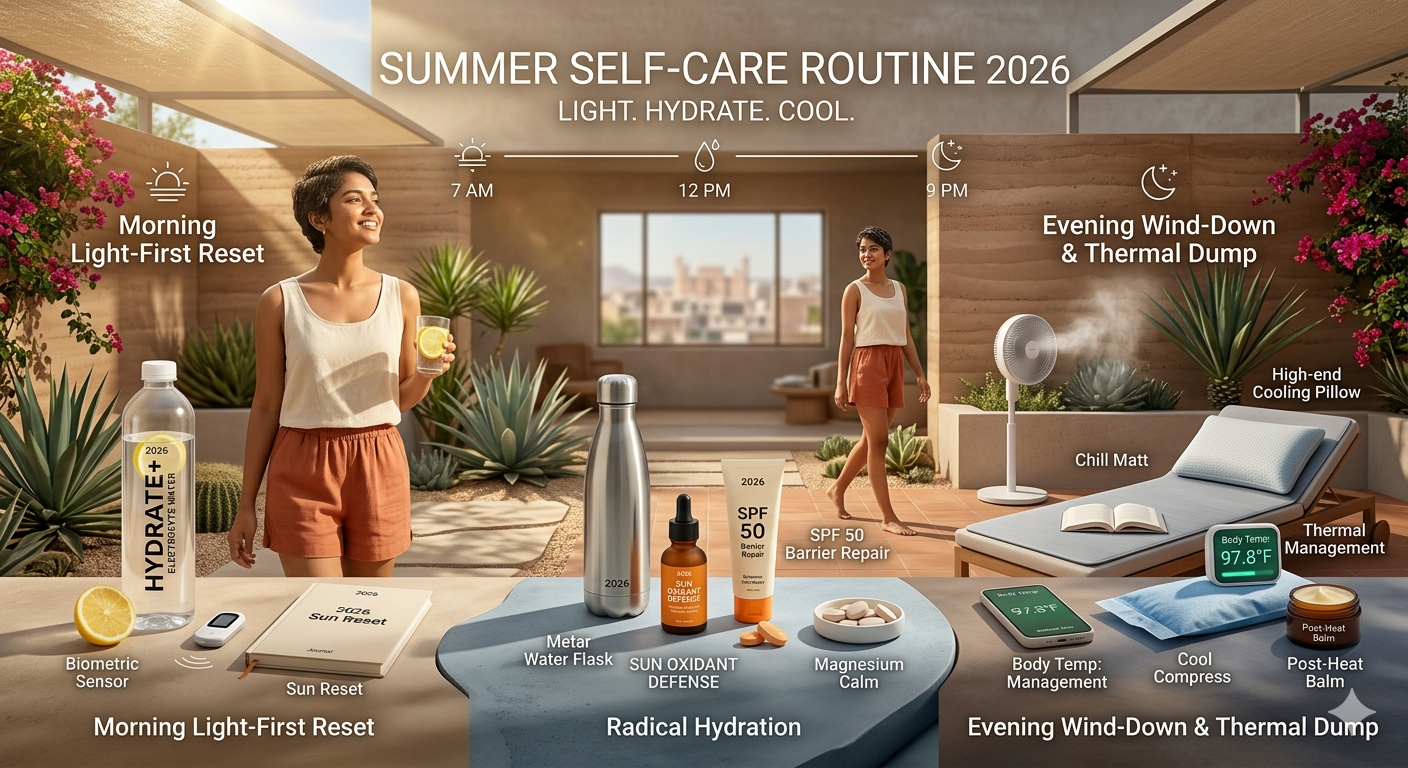
Summer is the perfect season to slow down, recharge, and prioritize wellness. With longer days and warmer weather, it’s an opportunity to embrace seasonal wellness and focus on mental health tips that enhance relaxation and vitality. Whether you’re looking to refresh your routine or create a mindful summer experience, these self-care strategies will help you feel balanced and energized.
Why Summer Self-Care Matters
1. Prevents Burnout
The excitement of summer activities can lead to exhaustion. A structured self-care routine ensures you maintain energy while enjoying the season.
2. Supports Mental Health
Sunlight and outdoor activities boost mood, but intentional self-care practices help manage stress and emotional well-being.
3. Enhances Physical Wellness
Hydration, movement, and mindful eating contribute to overall health, making summer the ideal time to focus on self-care.
Essential Summer Self-Care Practices
1. Hydration & Nourishment
- Drink plenty of water to stay hydrated in the heat.
- Incorporate seasonal fruits and vegetables for a nutrient-rich diet.
- Limit processed foods and opt for fresh, whole ingredients.
2. Mindful Movement
- Engage in outdoor activities like yoga, swimming, or hiking.
- Stretch daily to improve flexibility and reduce tension.
- Prioritize rest days to allow your body to recover.
3. Sun Protection & Skincare
- Apply sunscreen daily to protect your skin from UV damage.
- Use lightweight, hydrating skincare products suited for summer.
- Wear breathable clothing and sunglasses for added protection.
4. Digital Detox & Mental Clarity
- Reduce screen time to minimize mental fatigue.
- Spend time in nature to improve focus and relaxation.
- Practice mindfulness techniques like meditation or journaling.
5. Sleep & Relaxation
- Maintain a consistent sleep schedule for optimal rest.
- Create a calming bedtime routine with soothing activities.
- Avoid excessive caffeine or late-night screen exposure.
Seasonal Wellness Activities
1. Outdoor Self-Care Rituals
- Take morning walks to enjoy fresh air and sunlight.
- Plan picnics or beach outings for relaxation.
- Try gardening as a therapeutic summer hobby.
2. Creative & Social Wellness
- Engage in creative activities like painting or writing.
- Connect with friends through meaningful conversations.
- Host small gatherings that promote joy and connection.
3. Travel & Exploration
- Plan weekend getaways for a change of scenery.
- Explore local parks or cultural sites.
- Prioritize experiences that align with relaxation and enjoyment.
Added Tip: Use the 3R Travel Rule
A simple way to reduce travel stress:
Rest — do not overpack your schedule
Refuel — eat and hydrate well
Reset — leave space to unwind
Energy Management, Not Just Time Management
Many people manage time. Fewer manage energy.
Ask: What drains my energy?
Examples:
- Heat
- Overscheduling
- Constant phone use
- Social overload
Then ask: What restores it?
Examples:
- Sleep
- Quiet time
- Movement
- Supportive people
This makes self-care practical.
Micro-Rest Breaks
A growing wellness idea is micro-rest. These are small recovery pauses.
Examples:
- Two minutes of silence
- Five slow breaths
- Sitting in shade quietly
- Pausing between tasks
Small breaks can help reduce mental fatigue.
Reduce Decision Fatigue
Too many choices can drain mental energy.
Simplify daily decisions:
- Plan meals ahead
- Repeat simple healthy breakfasts
- Keep routines simple
- Reduce unnecessary choices
Less friction can make life feel calmer.
Heat Exhaustion Warning Signs to Know
Watch for:
- Dizziness
- Heavy sweating
- Weakness
- Headache
- Nausea
If these appear:
- Move somewhere cool
- Rehydrate
- Rest
- Recover before doing more
Summer Self-Care for Different People
For Parents
Protect small moments of recovery.
For Students
Balance fun with sleep and routine.
For Older Adults
Hydration and heat awareness may need extra attention.
For Remote Workers
Take movement and sunlight breaks.
Signs You May Need a Summer Reset
You may need more recovery if:
- You feel tired despite sleeping
- Small tasks feel draining
- Your schedule feels overloaded
- Summer feels stressful instead of enjoyable
These can be signs to slow down.
Common Summer Self-Care Mistakes
Doing Too Much
A packed summer is not always a healthy summer.
Ignoring Hydration
Do not wait until you feel unwell.
Treating Rest as Laziness
Rest supports recovery.
Thinking Self-Care Must Be Expensive
It does not. Simple habits often work best.
FAQs About Summer Self-Care Routine 2026
1. How can I maintain self-care while traveling?
Pack essentials like sunscreen, hydration bottles, and comfortable clothing. Prioritize rest and mindful activities during trips.
2. What are simple ways to practice self-care daily?
Start with small habits like drinking water, stretching, and taking short breaks to reset your mind.
3. How does summer self-care improve mental health?
Exposure to sunlight, outdoor activities, and relaxation techniques help reduce stress and boost mood.
4. What are the best foods for summer wellness?
Fresh fruits, leafy greens, and hydrating foods like watermelon and cucumber support overall health.
5. How can I create a personalized summer self-care routine?
Identify activities that bring joy and relaxation, then incorporate them into your daily schedule.
Conclusion
The Summer Self-Care Routine 2026 is all about embracing seasonal wellness and mental health tips to create a balanced, stress-free summer. By prioritizing hydration, movement, relaxation, and mindful activities, you can recharge your mind and body while making the most of the season. Whether through outdoor adventures or quiet self-care moments, summer is the perfect time to focus on well-being.
About The Author