What Is the Soft Life Trend in 2026? Meaning, Benefits, Habits, and Practical Ways to Live With Less Stress
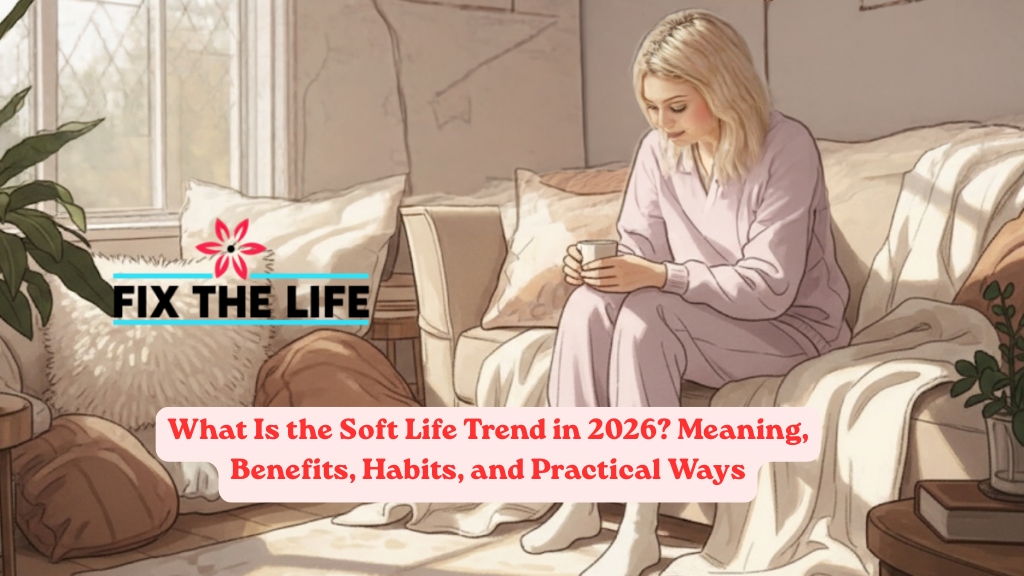
The soft life trend is growing in 2026 because many people want a calmer and healthier way to live. For years, success was often linked to being busy all the time. Work more. Sleep less. Push harder.
Now many people see things differently. They want success, but they also want peace. That is where soft life comes in. Soft life means reducing unnecessary stress, protecting your energy, and building a life that feels balanced and sustainable. It is not about doing nothing. It is about living well without constant burnout.
What Does Soft Life Mean?
Soft life means making choices that bring more ease and less pressure into daily life.
It can include:
- Setting boundaries
- Resting without guilt
- Simplifying routines
- Reducing stress where possible
- Protecting your mental and physical energy
The goal is not laziness. The goal is sustainable living.
Why Is the Soft Life Trend Growing in 2026?
There are practical reasons more people are talking about it.
Burnout Is a Real Problem
Many people feel mentally and physically drained from constant pressure.
Digital Overload Is Increasing
Phones, notifications, and social media can create stress and comparison.
People Want Better Balance
Many now believe success should include:
- Peace
- Health
- Time for relationships
- Time for recovery
Not just productivity.
Intentional Living Is Becoming Popular
People are showing more interest in slower and simpler ways of living.
Benefits of a Soft Life
Living this way may help support:
Lower Stress
Less pressure often means a calmer mind.
Better Energy
Protecting rest can improve energy.
Better Focus
Less overwhelm can help clearer thinking.
Better Relationships
When stress drops, patience often improves.
The 4 Pillars of Soft Life
A simple way to understand soft living is through four pillars.
1. Peace
Reduce stress that is unnecessary.
Examples:
- Avoid overcommitting
- Leave toxic environments when possible
- Protect quiet time
2. Protection
Protect your energy.
Examples:
- Set boundaries
- Say no when needed
- Limit draining people or habits
3. Practicality
Make life simpler.
Examples:
- Create routines
- Reduce clutter
- Use systems that save mental energy
4. Presence
Be more present in daily life.
Examples:
- Eat without scrolling
- Walk without your phone
- Focus on one task at a time
These four pillars make soft life practical, not just an idea.
How to Practice a Soft Life
You do not need a major life change. Start small.
Protect Your Time
Not every request needs a yes.
Simplify Your Day
Do fewer things, but do them well.
Build Calm Routines
Simple routines can help:
- Wake at a regular time
- Take short walks
- Keep a steady sleep schedule
- Reduce evening screen use
Reduce Digital Noise
Turn off some notifications. Not everything needs immediate attention.
A New Idea in 2026: Energy Management
Many people used to focus only on time management. Now they focus on energy management too.
Instead of asking: How can I do more?
They ask: How can I protect my energy?
Energy drains may include:
- Too much multitasking
- Constant phone checking
- Overcommitting
- Negative environments
Energy support may include:
- Sleep
- Movement
- Quiet time
- Supportive people
This is a practical part of soft living.
The Hidden Part of Soft Life: Reducing Friction
One of the smartest soft life ideas is reducing friction. Friction means small things that make life feel harder than it needs to be.
Examples:
- Too many decisions
- Too much clutter
- Too many obligations
- Too much digital noise
Reducing friction can make life feel lighter.
Ways to Reduce Friction
- Plan meals ahead
- Keep a simple wardrobe
- Use routines for repeated tasks
- Keep fewer but better commitments
Small systems can reduce daily stress.
Soft Life and Decision Fatigue
This is often overlooked. Making too many decisions can drain mental energy. This is called decision fatigue. Soft living can reduce it.
Examples:
- Repeat healthy meals
- Plan your week ahead
- Use routines instead of deciding everything daily
- Limit unnecessary choices
Fewer decisions can create more calm.
Soft Life and Financial Peace
Soft life does not mean luxury. It can mean reducing money stress.
Helpful habits:
- Spend with a plan
- Avoid pressure-driven purchases
- Focus on stability
- Live simply where possible
Peace is often connected to simple financial habits.
What Soft Life Looks Like for Different People
Soft Life for Professionals
- Protect work boundaries
- Avoid unnecessary meetings
- Take real breaks
Soft Life for Students
- Reduce study overload
- Use simple routines
- Protect sleep
Soft Life for Parents
- Lower unrealistic expectations
- Simplify family systems
- Create recovery time
Soft Life on a Budget
- Choose simplicity over appearance
- Focus on peace, not expensive aesthetics
Micro-Rest Habits You Can Use Daily
A growing idea in 2026 is micro-rest. These are small recovery breaks.
Examples:
- Two minutes of silence
- Five slow breaths
- A short walk
- Pausing between tasks
Small pauses can reduce mental fatigue.
Soft Life vs Hustle Culture
Hustle culture says:
- Work more
- Stay busy
- Rest later
- Push harder
Soft life says:
- Work wisely
- Recover regularly
- Protect your energy
- Grow without burnout
That is a major difference.
Common Misconceptions About Soft Life
It Means Laziness
False. You can have discipline and goals.
It Is Only for Wealthy People
False. Peace is not tied to income.
It Is Just a Social Media Trend
False. It reflects a deeper shift in how people view wellbeing.
Where Soft Life Can Go Wrong
Balance matters. Sometimes people misunderstand soft living.
Possible mistakes:
- Avoiding responsibility
- Mistaking comfort for growth
- Using “soft life” to justify poor discipline
- Overspending for an aesthetic lifestyle
Soft life should support life, not become another unhealthy extreme.
Signs You May Need a Soft Life Reset
You may need a reset if:
- You feel busy all the time
- Rest feels guilty
- Your mind always feels “on”
- Small tasks feel overwhelming
- Daily life feels heavier than it should
These can be signs you need more recovery.
Soft Life Habits You Can Start This Week
Try:
- Say no once when needed
- Practice one micro-rest break
- Reduce social media for one hour daily
- Remove one daily source of stress
- Sleep at a regular time
- Simplify one part of your routine
Start small. Small changes often last longer.
Final Thoughts
The soft life trend in 2026 is more than a passing idea. It is a practical way to reduce stress, protect your energy, and build a more sustainable life. It does not mean avoiding ambition. It means pursuing success without constant exhaustion. Sometimes living better is not about doing more. It is about carrying less.
About The Author