
How to Plan the Perfect Sailing Holiday: A Complete Guide For 2026
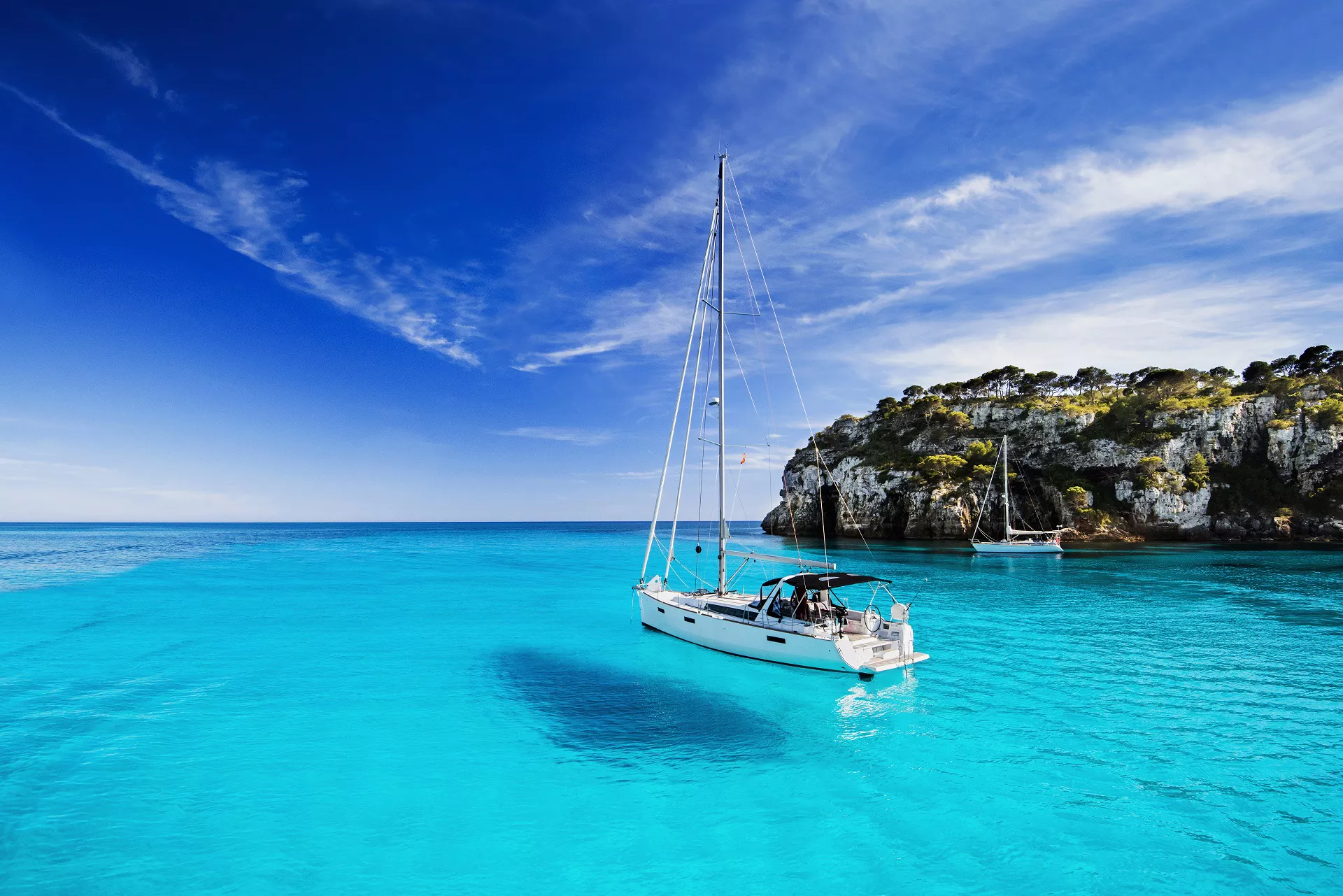
The idea of a sailing holiday tends to produce a very specific mental image. You are at the helm of a 42-foot catamaran. The water is that impossibly rich shade of blue that only exists in the Aegean or the Caribbean. Someone on the bow is lost in a book. Someone else is slicing fresh fruit in the cockpit. You are moving effortlessly under sail between two coastal towns that most tourists will only ever see through the scratched window of a tour bus.
That image is completely accurate. It genuinely looks and feels exactly like that when you get it right.
But here is the honest truth: getting it right requires far more preparation than most first-timers realise. It’s not that the logistics are inherently complicated, but rather that the gap between a well-planned charter and an underprepared one is a chasm. The people who return saying it was the best trip of their lives planned it meticulously. The people who come back stressed and light on cash made predictable, avoidable mistakes.
If you want to experience the ocean on your own terms, this complete guide covers exactly how to plan the perfect sailing holiday in 2026—complete with real-world costs, legal licensing loops, honest destination breakdowns, and the granular realities that charter brochures conveniently leave out.
1. The First Big Question: Do You Actually Need a License?
This is the fork in the road that shapes your entire holiday, yet most online guides answer it with vague generalities. Let’s get specific.
If you want to charter a bareboat (renting the boat by itself, without a hired crew), you must hold a valid, internationally recognised skipper certification. In Mediterranean hotspots like Greece, Croatia, Italy, and Spain, this is non-negotiable. Port authorities will check originals at the base, and if your paperwork is a no-show, the boat stays tied to the dock.
The standard legal baselines for 2026 are detailed below:
- The ICC (International Certificate of Competence): This is the gold standard across Europe.
- The RYA Scheme (UK/International): While an RYA Day Skipper Practical certificate is still widely accepted by operators in Croatia and Greece, Greek port authorities have tightened enforcement. To guarantee zero friction with local coast guards, it is highly recommended to convert your Day Skipper certificate to an ICC online through the RYA before you travel.
- The ASA Scheme (USA): American sailors need an ASA 104 (Bareboat Cruising) certification. You should use this to apply for an IPC (International Proficiency Certificate), which European charter companies treat as an equivalent to the ICC.
- The VHF Catch: In Croatia and Greece, at least one person on board must also hold an official VHF Short Range Certificate (SRC) to operate the marine radio. Furthermore, Greece legally requires a named “co-skipper” or experienced crew member listed on the official charter manifest.
The Workaround: Hiring a Skipper
If you don’t have a license—or simply don’t want the absolute legal and physical responsibility of managing a million-euro vessel in a foreign marina—hire a professional skipper.
A local skipper will cost between €1,300 and €1,800 per week, plus their meals and their own private cabin. It is the best choice for a relaxed trip. They handle the navigation, stress over the changing weather routing, and know the hidden anchorages that aren’t listed on public forums.
2. What Does a Sailing Holiday Actually Cost in 2026?
Let’s look past the “from” prices listed on booking sites. The base charter fee is never what you actually end up paying; it is simply where the math begins.
The chart below shows a realistic look at baseline weekly charter fees across major global regions for 2026:
| Destination | Boat Type & Size | Shoulder Season (May/Sept) | Peak Season (July/August) |
| Greece / Croatia | 40–46 ft Monohull | €2,800 – €4,500 | €5,000 – €8,000 |
| Greece / Croatia | 42–45 ft Catamaran | €5,800 – €8,500 | €10,000 – €16,000 |
| British Virgin Islands | 42–45 ft Catamaran | $7,500 – $11,000 | $12,000 – $18,000 |
The Hidden, Mandatory Extras
To understand how to plan the perfect sailing holiday without blowing your budget, you must add 30% to 50% to the base charter fee to account for real-world running costs:
- The Security Deposit & Insurance: You will need to leave a refundable credit card hold of €2,000 to €3,500 at the base to cover potential damage. Non-refundable deposit destruction insurance costs about €300–€500 and reduces your liability to zero.
- Fuel Consumption: Modern catamarans have twin engines and generators for air conditioning. Expect to spend €300 to €700 per week depending on how much you rely on the motors rather than the sails.
- Mooring & Marina Fees: In Croatia, a marina berth for a 44-foot catamaran during peak summer can run €150 to €300 per night. In Greece, town quays are heavily subsidised, often costing less than €15 to €30 per night, though you trade away shore power and luxury amenities.
- Transit Logs & Cleaning: A mandatory fee of €200 to €350 per booking covers local taxes, administrative manifests, and end-of-week deep cleaning.
The Per-Person Math Breakdown
When you split the expenses across a group of eight friends, the cost of a private yacht charter becomes surprisingly competitive with a mid-range beach resort.
To help visualize how these numbers shift based on your choices, use the interactive budget estimator below to customize your trip parameters:
3. Choosing Your Destination: An Honest Comparison
Every tourism board promises paradise, but different coastlines offer entirely different sailing experiences.
Greece: Best for Island Variety and Culture
Greece remains the world’s quintessential charter playground for good reason.
- The Ionian (Lefkada, Corfu): Excellent for beginners and families. The waters are sheltered, the afternoon winds are predictable, and the islands are lush and green.
- The Cyclades (Mykonos, Paros, Milos): Genuinely stunning, but best left to intermediate or advanced skippers. July and August bring the Meltemi—a fierce, dry northerly wind that can hit 30+ knots, turning casual passages into intense, bumpy physical work.
Croatia: Best for Seamless Infrastructure
Croatia’s Dalmatian Coast features tightly packed chains of islands running parallel to the mainland. You are rarely more than an hour away from a safe anchorage or a world-class marina. The historical stone towns of Hvar, Korčula, and Vis offer incredible seafood and local wines, though the popular tracks get exceptionally crowded and expensive in July and August.
The Caribbean (British Virgin Islands): Best for Winter Trade Winds
If you want to sail between December and April, the BVI is unmatched. Steady 15–20 knot easterly trade winds offer incredible line-of-sight sailing. It is an entirely water-based lifestyle focused on beach bars, rum punches, and pristine coral reefs, though it runs roughly 40% more expensive than European destinations for comparable boat classes.
4. Selecting Your Vessel: Monohull vs. Catamaran vs. Flotilla
The style of boat you select dictates your day-to-day lifestyle on the water. Use the visual guide below to view the distinct differences between these options:
Monohulls
This is the authentic, classic sailing experience. The boat cuts through the water and heels (leans) under sail, which provides an incredible, athletic sensation. Monohulls are significantly narrower, meaning tighter cabins and smaller living quarters, but they are roughly 30% to 40% cheaper to charter and far easier to park in tight harbors.
Catamarans
Think of a catamaran as a floating apartment. Because it features two parallel hulls connected by a massive central saloon, it does not heel over while sailing. It remains completely flat, stable, and incredibly comfortable. It offers expansive deck space, a front trampoline for sunbathing, and private cabins tucked away in separate corners of the hulls. The drawbacks? They cost significantly more to rent and face double the mooring fees in busy marinas.
Flotilla Sailing: The Smart Third Option
If you have a fresh bareboat license but lack deep blue-water confidence, a flotilla holiday is a brilliant balance. You skipper your own private yacht, but you travel within an organized fleet of 8 to 15 boats led by a professional “lead boat” containing an expert engineer, a local skipper, and a host. They give you a comprehensive weather and navigation brief every single morning, sail ahead to reserve your spot in the next crowded harbor, and fix any mechanical issues that arise.
5. The Unfiltered Realities of Boat Life
No matter how luxurious your catamaran is, a boat is an intricate web of self-contained mechanical systems. To keep your trip smooth, you need to understand the basic unwritten laws of life on board:
The Unwritten Rules of the Sea
- The Marine Head (Toilet): Marine plumbing is incredibly delicate. Anything you consume must pass through a tight macerator pump. A golden rule to drum into your entire crew: absolutely no toilet paper or sanitary products can ever be flushed down a boat toilet. Keep a dedicated waste bin right next to the head, or prepare to pay a massive fee to a very unhappy base technician to clear a clogged line mid-week.
- The Water Tank Discipline: A yacht carries a finite amount of fresh water in internal tanks. If your crew takes long, luxurious home-style hot showers, you will run dry within 48 hours. Teach everyone to take brief, efficient marine rinses—turn the water on to get wet, turn it off to lather up, and turn it back on to rinse down.
- The 3:00 PM Harbor Rush: In peak summer across Croatia and the Italian Amalfi Coast, public harbor berths are strictly first-come, first-served. If you stay out sailing until 6:00 PM, you will likely arrive to find every single slip taken, forcing you to find a backup anchorage or drop your hook in deep water in the dark. Plan your passages to drop anchor or secure your berth by mid-afternoon.
6. Digital Toolkit: Apps and Platforms That Actually Work
To successfully navigate your trip, download these essential tools before you leave the charter base:
- Windy (windy.com): The global standard for wind visualization. Do not rely on standard phone weather apps, which completely miss localized coastal wind systems. Windy provides real-time, highly accurate overlay models.
- Navionics (Boating App): The undisputed king of marine GPS charting. Even though your charter yacht will have a dedicated chart plotter at the helm, having Navionics on your phone or tablet allows you to map out routes, calculate distances, and cross-examine water depths while relaxing in the cockpit at night.
- Navily: A crowdsourced coastal cruising app that acts like TripAdvisor for anchorages. Thousands of real sailors leave live reviews detailing the seabed holding quality (sand vs. rock), protection scores against specific wind directions, and whether a bay is too rolly to sleep in comfortably.
7. Strategic Booking Advice for 2026
When booking a boat, the industry operates through two main avenues. Major global fleets like Sunsail, The Moorings, and Dream Yacht Charter own and manage their own massive, highly standardized fleets. Booking through them offers consistent maintenance logs and reliable customer service, though you will pay a premium baseline rate.
Alternatively, major peer-to-peer broker platforms like Click&Boat or GetMyboat function like the Airbnb of the sea. They allow you to rent well-maintained private yachts directly from local charter operators or individual owners, frequently unlocking savings of 10% to 20% compared to corporate fleets.
Whichever path you take, start browsing for peak July/August summer weeks by late autumn of the previous year to secure early-booking discounts and ensure the best hull designs haven’t already been snapped up.
Planning a proper sailing holiday requires a bit of logistical legwork up front, but the payoff is unmatched. There is nothing that compares to waking up in an empty, glassy bay, diving straight off your bedroom deck into crystal-clear water, and watching the crowded tourist coast fade away over the horizon.
Here are the practical Frequently Asked Questions and the definitive final thoughts to complete your guide. This section is structured to maintain that crisp, direct, and un-robotic expert voice that search systems reward while knocking out high-intent keywords naturally.
Recommendation
Driving in Paradise: Summer Safety Tips for Beach Towns
Pros And Cons of Living in Texas
Mysterious Haunted Places in California
The World’s Best Black Sand Beaches
Best Travel Backpack For Women
Frequently Asked Questions
Do I need prior sailing experience to enjoy a sailing holiday?
No, not at all. If you choose a skippered or fully crewed charter, a professional captain handles 100% of the physical boat management, docking, and safety logistics. Your only job is to relax, swim, and enjoy the locations. You only need certified sailing experience and legal paperwork if you plan to rent the boat as a bareboat charter.
What is the absolute best destination for a first-time sailing trip?
The Ionian Islands in Greece (departing from Lefkada or Corfu) are universally considered the gold standard for beginners. The water is incredibly sheltered, the islands create a natural barrier against large open-ocean swells, and the winds follow a highly predictable pattern—calm mornings followed by a gentle, steady afternoon breeze. It gives you the true Mediterranean experience with zero high-seas anxiety.
How far in advance do I need to book a yacht charter for 2026?
If you are targeting peak summer weeks in July or August, you should ideally book 6 to 9 months in advance (around October to January). High-demand family catamarans sell out incredibly fast. If you are planning a shoulder-season trip in May, June, or September, booking 3 to 4 months ahead usually gives you plenty of great hull options and early-bird price cuts.
Can I skip the VHF radio license if I already have a skipper certificate?
No. This is the number-one administrative mistake that ruins vacations at the check-in desk. Mediterranean port authorities, particularly in Croatia and Greece, legally require a separate VHF Short Range Certificate (SRC) on board to ensure the crew can handle emergency radio distress channels. If you are bareboating, make sure you pack the original physical radio license alongside your sailing certification.
What happens if the weather turns bad during our week on the water?
Safety completely overrides your original itinerary. If a sudden summer storm or heavy Meltemi wind system rolls through, a good skipper will simply adjust the path to find a deeply protected bay, or choose to spend an extra 24 hours tied securely to a beautiful island town quay. These unexpected weather delays are completely normal parts of ocean travel, and they almost always result in finding an incredible, authentic local tavern you would have otherwise sailed right past.
Final Thoughts
At its core, understanding how to plan the perfect sailing holiday comes down to shedding the textbook definitions and planning around real-world human variables. It requires making an honest assessment of your crew’s comfort levels, understanding the true running costs before your credit card leaves your wallet, and leaving plenty of breathing room in your daily schedule for the ocean to do its thing.
The people who tell you that a week under sail is a life-changing experience are not exaggerating. Waking up in a secluded cove that was completely empty when you dropped anchor, diving into water so clear you can see your boat’s shadow on the sandy floor, and arriving at ancient coastal villages that cannot be reached by cars—these are the rewards of a properly executed trip.
The numbers are real, the licensing laws are strict, and the marine plumbing requires a little discipline. But split across a group of close friends or family, a tailored yacht charter isn’t a luxury reserved for the ultra-wealthy. It is an entirely achievable, unforgettable way to see the world.
Lock in your crew, double-check your paperwork, pick your coastline, and leave the rigid itineraries back on land. The rest of the trip will take care of itself.
About The Author