
Minimalist Morning Routine in 2026: How to Start Your Day With Less Stress and More Focus
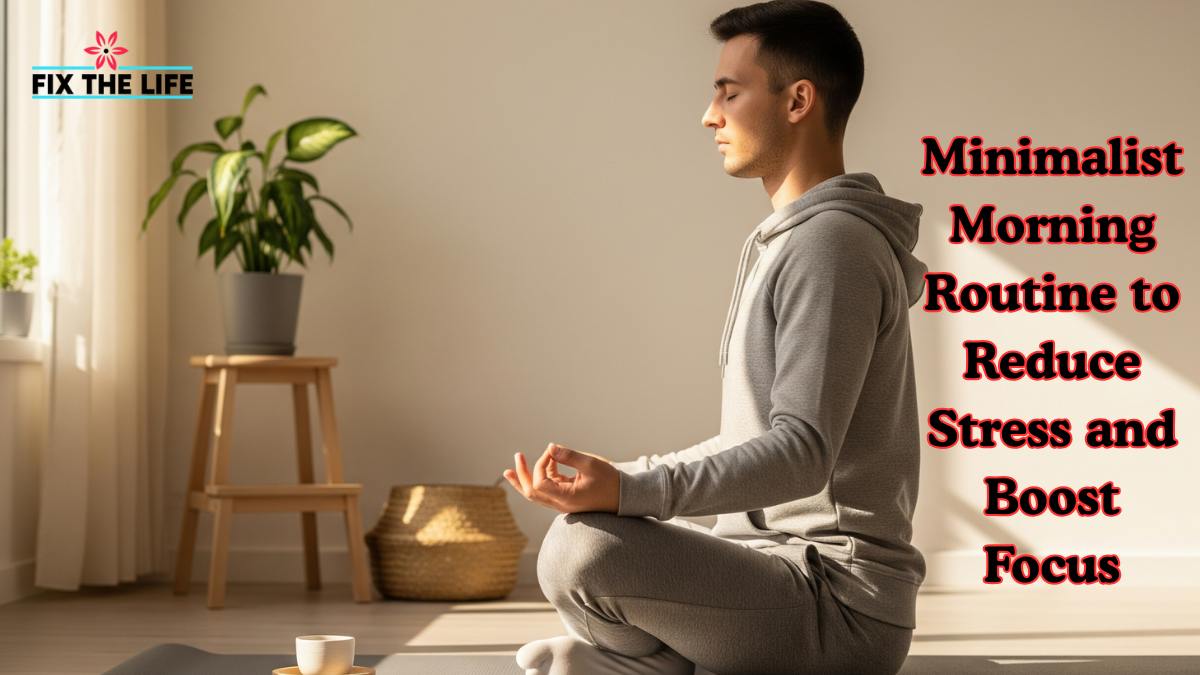
A minimalist morning routine is not about doing less for the sake of it. It is about removing what is unnecessary so that what remains actually helps you think clearly, feel calm, and move through the day with intention. Many people try to follow complicated morning routines filled with long checklists, but those routines often fail because they demand too much energy before the day has even started.
In 2026, the shift is clear. People are moving away from rigid, high-performance routines and toward simpler, more sustainable systems that support mental clarity and emotional balance. A minimalist morning routine works because it reduces friction. Instead of forcing motivation, it creates conditions where the right actions feel easier to do.
The goal is not to build the perfect routine. The goal is to build a routine you can repeat consistently without feeling overwhelmed.
Who This Minimalist Morning Routine Is For
This routine is especially useful for people who feel overwhelmed in the morning, struggle with consistency, or have tried complex routines that did not last. It is also helpful for those who want a calm and focused start instead of a rushed or reactive one.
At the same time, this approach is flexible. Whether you have a busy schedule, work from home, or simply prefer a slower start to the day, the structure can be adjusted without losing its simplicity. If your mornings often feel stressful or anxious, you may also benefit from understanding patterns like morning anxiety and how to reset your mindset early in the day.
What Is a Minimalist Morning Routine?
A minimalist morning routine is a small set of intentional habits that support your energy, focus, and mental state without adding unnecessary complexity. It focuses on clarity over quantity. Instead of trying to include many activities, it prioritizes a few actions that actually make a difference.
Many people misunderstand minimalism as doing almost nothing. In reality, it is about doing what matters and removing what does not. A minimalist routine may include hydration, light movement, planning the day, and a moment of quiet, but it avoids overload.
Why Minimalist Morning Routines Work Better in 2026
Simplicity Improves Consistency
The biggest reason most morning routines fail is not lack of motivation. It is complexity. When a routine feels too long or demanding, people eventually stop doing it.
A simpler routine reduces friction. When something feels easy to start, you are more likely to repeat it without resistance. Over time, repetition matters more than intensity.
Less Input Means Less Mental Overload
Many people start their day by checking their phone, reading messages, or consuming information immediately. This creates mental noise before the brain has had time to settle.
When mornings begin without external pressure, the mind gets space to stabilize. That often leads to clearer thinking and better emotional control later in the day.
Calm Mornings Support Better Decisions
When your morning feels rushed, your decisions often become reactive. When your morning feels steady, your decisions tend to be more intentional.
A calm start does not just affect the morning. It shapes how you respond to the entire day.
The Core Principles of a Minimalist Morning Routine
A minimalist routine is not defined by a fixed list of habits. It is built on a few simple principles. First, reduce unnecessary decisions. The fewer choices you need to make early in the day, the more mental energy you save. Second, focus on high-impact habits. Choose actions that improve your clarity, energy, or mood. Third, avoid early overstimulation. Give your mind space before exposing it to messages, news, or work. Fourth, keep the routine realistic. If it feels difficult to maintain, it will not last.
The Ideal Minimalist Morning Routine (2026 Version)
A minimalist routine does not need to be long. Even 20 to 30 minutes can be enough if used properly.
Step 1 — Wake Without Immediate Distraction
Instead of checking your phone immediately, give yourself a few minutes to wake up fully. This allows your mind to settle instead of reacting instantly.
Step 2 — Hydrate First
After several hours of sleep, your body needs water. Drinking water early helps with energy, focus, and overall functioning.
Step 3 — Get Natural Light
Exposure to natural light helps your body wake up properly. Even a few minutes near a window or outside can make a noticeable difference.
Step 4 — Move Your Body Gently
You do not need an intense workout. Light stretching or a short walk is enough to activate your body and improve circulation.
Step 5 — Set a Clear Intention for the Day
Instead of planning everything, focus on one or two important things you want to complete. This creates direction without overwhelm. If you often feel stuck or unsure where to begin, this simple step can help you regain a sense of direction.
Step 6 — Keep the Routine Short and Repeatable
The best routine is one you can follow daily without feeling pressured. Avoid turning it into a long checklist.
What I Noticed After Trying a Minimalist Morning Routine
When I first tried simplifying my morning, I made the same mistake most people make. I tried to follow a “perfect” routine with multiple steps like journaling, stretching, planning, and reading.
It worked for a few days, but soon it started feeling like a task rather than support. So I reduced everything. I focused only on three things: drinking water, getting light, and sitting quietly for a few minutes before checking my phone.
What I noticed was that my mornings felt calmer without feeling unproductive. I was not rushing mentally before the day started. I also felt less reactive to small problems later in the day.
Another thing I realized was that when I stopped forcing a routine, I naturally started doing more useful things. Some mornings I stretched. Some mornings I just sat quietly. But it felt flexible, not chaotic. That shift made the routine sustainable.
Real-Life Examples of Minimalist Morning Routines
A minimalist routine looks different for different people. Someone with a busy schedule might keep it very simple. They may wake up, drink water, step outside for fresh air, and decide their main task for the day. That alone can create clarity.
Someone working from home might add a short walk or light stretching because they have more flexibility.
In some cases, people start with just one habit, like avoiding their phone for the first 20 minutes. That single change often improves their mornings more than adding multiple habits. These examples show that effectiveness comes from consistency, not complexity.
Signs Your Minimalist Morning Routine Is Working
You may not notice dramatic changes immediately, but small shifts often appear first. You may feel less rushed after waking up, find it easier to focus on one task, or notice that your mood stays more stable during the day.
Another sign is consistency. If you are able to follow your routine without forcing yourself, it usually means it is sustainable. Over time, these small improvements often lead to better productivity, clearer thinking, and a calmer approach to daily challenges.
Common Mistakes That Make Morning Routines Fail
One common mistake is copying complex routines from others. What works for someone else may not work for you. Another mistake is adding too many habits at once. This creates pressure and reduces consistency.
Many people also depend on motivation instead of building a simple structure. Motivation changes daily, but simple systems remain stable.
Starting the day with stress triggers like emails or social media is another mistake that often increases anxiety. If your sleep quality is also inconsistent, improving your night routine can further strengthen your mornings.
The Minimalist Habit Stack Method
A simple way to build a routine is to attach new habits to existing ones. For example, you can drink water after brushing your teeth or stretch while your tea or coffee is preparing. This method works because it reduces the effort required to remember new habits and makes them easier to maintain.
A 7-Day Minimalist Morning Reset
If your mornings feel messy, you can reset them step by step.
Day 1 — Avoid Phone for 15 Minutes
Notice how your mind feels without early input.
Day 2 — Drink Water First
Start with hydration before anything else.
Day 3 — Add Natural Light
Spend a few minutes in daylight.
Day 4 — Add Gentle Movement
Keep it simple and short.
Day 5 — Set One Priority
Focus on one meaningful task.
Day 6 — Reduce Friction
Prepare something the night before.
Day 7 — Review What Worked
Keep only what feels sustainable.
Experience-Based Insights Most People Ignore
Many people notice their mornings feel heavy not because of the morning itself, but because of what happened the night before. Poor sleep, late-night scrolling, and unresolved stress often carry forward. Others realize that overly ambitious routines create pressure instead of clarity. When a routine feels like a task list, it often fails. In many cases, small habits such as drinking water or avoiding early distractions create more impact than complex routines.
What Not To Do in a Minimalist Morning Routine
- Avoid overloading your routine with too many habits.
- Avoid starting your day with stress inputs.
- Avoid relying only on motivation.
- Avoid comparing your routine with others.
- And avoid assuming that doing more will give better results.
In many situations, simplicity works better.
FAQs About Minimalist Morning Routine
How long should a minimalist morning routine be?
It can be as short as 15 to 30 minutes.
What is the best habit to start with?
Hydration and avoiding early distractions are strong starting points.
Can I include exercise?
Yes, but keep it simple and sustainable.
Should I avoid my phone completely?
Not completely, but delaying it can help.
What if I miss a day?
Focus on consistency, not perfection.
Final Thoughts
A minimalist morning routine is not about doing less for the sake of it. It is about doing what actually supports your clarity and energy without unnecessary pressure.
In 2026, the most effective routines are not the most complex ones. They are the ones people can follow consistently without resistance. When mornings become simpler, the rest of the day often becomes easier to manage.
Change does not begin with adding more habits. It often begins with removing what is not needed and keeping what truly works.
About The Author